The Middle East has rapidly evolved into a global powerhouse for major sporting events and investments. But for lawyers, agents, and investors looking to enter this market, understanding the local jurisdiction is critical.
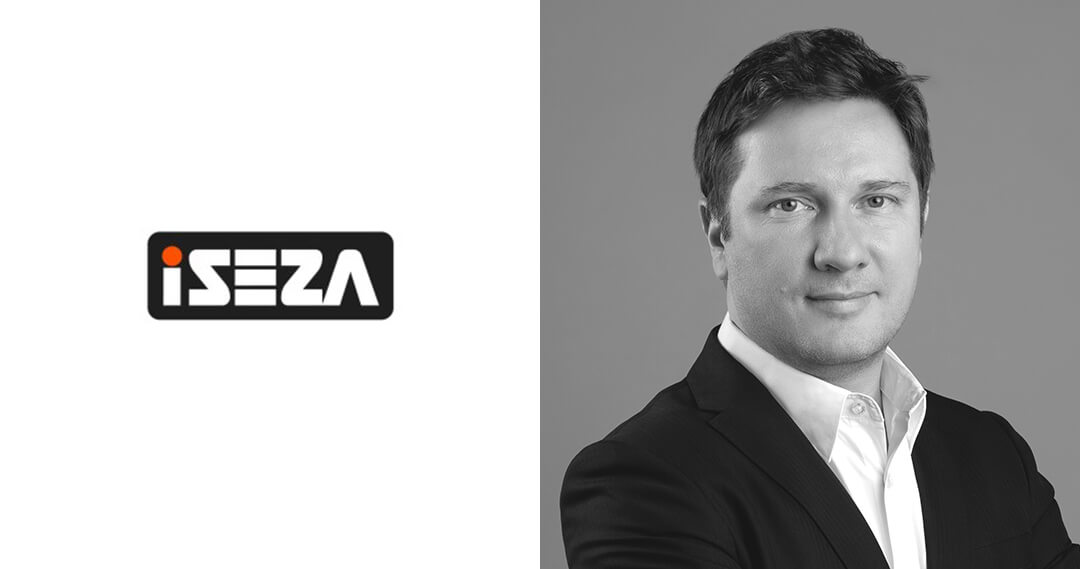
In our first MatchPoint Talk of the year, we had the pleasure of hosting Damir Valeev, CEO of the International Sports and Entertainment Zone (ISEZA). With over 15 years of experience in the region, Damir provided a masterclass on the legal nuances of setting up and operating a sports business in the UAE.
If you missed the live session, here are the essential takeaways on legal structures, tax efficiency, and the future of the industry in Dubai.
The evolution of sports law in the UAE
The legal landscape in the Emirates has shifted dramatically over the last decade. Fifteen years ago, dedicated sports law practices were virtually non-existent, often tucked inside corporate commercial departments.
Today, the scene is vibrant but distinct from Europe. While European sports law often focuses heavily on regulatory issues and football disputes (FIFA/UEFA), the sports business in the UAE is driven by commercial law, sponsorship, events, and IP structuring. With major events in tennis, golf, Formula 1, and football taking place regularly, the demand for specialized legal counsel has skyrocketed.
Setting up: Free Zone vs. Mainland companies
One of the most critical decisions for any new entity is choosing the right jurisdiction: Free Zone or Mainland.
According to Damir, this choice largely depends on the specific business activities, as every company in the UAE requires a specific license for each activity.
1. Mainland Companies
- The Shift: Historically, mainland companies required a local partner holding 51% of shares. However, this requirement was largely abolished in 2022, allowing for greater foreign ownership in many sectors.
- Best for: Businesses requiring a physical presence to serve customers directly within the local market, such as sports facilities or academies (e.g., a Padel academy in the city).
2. Free Zones (The Preferred Choice for International Business)
- Best for: Sports investments, IP holding companies, sports agencies, and tech companies.
- Advantages: Free zones like ISEZA (located within the Dubai World Trade Center) offer specialized clusters for the sports and entertainment industry. They allow for flexible corporate structuring, including SPVs and foundations.
- The Process: Setting up is fast and digital. However, specific activities like sports agency work require a dual approval process: initial approval from the Free Zone, followed by a license from the General Authority of Sports or the FA (to ensure FIFA agent compliance), before the final commercial license is issued.
Tax efficiency and incentives for athletes
A major driver for the growth of sports business in the UAE is the favorable tax regime. Damir highlighted why top-tier athletes—such as tennis stars Novak Djokovic and Aryna Sabalenka—are increasingly establishing residency in Dubai.
- Corporate Tax: Introduced recently, it stands at a competitive 9% on profits exceeding AED 375,000 (approx. €100,000).
- VAT: A standard 5% applies to business conducted within the UAE.
- Golden Visa: The UAE offers a “Golden Visa” for special talents, allowing athletes and professionals to secure long-term residency without being tied to a specific employer.
For athletes earning global royalties, structuring image rights through a UAE Free Zone entity can offer significant efficiency, provided they cut tax ties with their home jurisdictions and establish genuine residency in the Emirates.
Dispute resolution: a unique hybrid system
The UAE is primarily a Civil Law jurisdiction. However, it hosts two financial free zones—the DIFC (Dubai) and ADGM (Abu Dhabi)—which operate under Common Law (English Law).
When it comes to sports disputes specifically:
- Local Level: Most football clubs have internal dispute resolution centers.
- Arbitration: While there is a CAS hearing center in Abu Dhabi, it has not been highly active, partly due to the rise of online hearings post-COVID.
- Commercial Reality: Many sports disputes in the region are commercial in nature (sponsorships, contracts) and are often resolved through standard commercial arbitration or courts rather than specialized sports tribunals.
Future outlook: esports and commercial leagues
Damir emphasized that the UAE is a hub for innovation. The region is actively welcoming new formats, such as commercial leagues (e.g., Baseball United, Dubai Basketball in the EuroLeague) and the booming Esports and Sports Tech sectors.
For aspiring lawyers and businesses, the advice is clear: come to the region. Networking is essential in this relationship-driven market. As Damir noted, “You have to be here to understand the dynamics”.
Master the rules of the global game
As highlighted in this session, the sports industry is no longer just about what happens on the pitch; it is a complex ecosystem involving corporate structuring, international taxation, and evolving regulations.
Whether you are navigating FIFA’s latest regulatory changes or structuring commercial deals in new jurisdictions, relying on outdated knowledge is a risk you cannot afford.
At Sports Law Hub, we bridge the gap between theory and practice. Our specialized training programs are designed to equip lawyers, agents, and executives with the up-to-date legal expertise needed to lead in every area of the sports business.
👉 Explore our educational programs & stay ahead of the curve

 Dubai has unveiled its ambitious Sports Sector Plan 2033, a roadmap designed to position the city as a leading global sports hub. This strategy outlines a projected economic impact of AED 20 billion and sets bold objectives for the Sports Business in the UAE, including 250 new annual sporting events and a 50% increase in club revenues.