
High-impact mastery
MASTERCLASS
Basketball arbitration: resolving disputes before the BAT
How to prevent, manage and prepare a contract dispute in international basketball before it reaches the Basketball Arbitral Tribunal (BAT): clauses, formal notices, negotiation, evidence and enforcement.
spanish edition
Date:
5 November 2026
17:30 – 19:00 CET
Registration Deadline:
31 October 2026
Duration:
1.5 hours
Format:
Live Sessions & On-Demand: Live online session and on-demand (attend live or watch the recording)
Early bird: €35 (Until 28 October 2026)
Sports Law Hub alumni: 20% discount
General Admission: €55
(Taxes included)
Basketball arbitration and the BAT
The Basketball Arbitral Tribunal is FIBA’s arbitral body for contractual disputes between clubs, players, coaches and agents. Seated in Geneva, its proceedings are conducted in English before a sole arbitrator, and the merits are decided ex aequo et bono: according to general principles of fairness rather than a specific national law.
Much of what happens before the BAT is settled earlier: in how the contract was drafted, how the breach was documented and which decisions were taken before filing the Request for Arbitration. This masterclass focuses on that pre-arbitration stage.
Masterclass Programme
01. The BAT within basketball dispute resolution
Jurisdiction, seat, the BAT Arbitration Rules in force since 1 January 2025 and the scope of ex aequo et bono decisions.
02. The BAT arbitration clause
Drafting, validity and common mistakes in player, coach and agent contracts.
03. Clauses that anticipate disputes
Guaranteed salaries, buyout and termination clauses, injuries and penalties.
04. Handling a breach
Payment notices, cure periods and documenting unpaid amounts or other breaches.
05. Negotiation and settlement
Settlement agreements, payment schedules and their formalisation, including consent awards.
06. Preparing before filing a claim with the BAT
Evidence, quantifying the claim, procedural costs and the risks of delaying a claim.
07. Enforcing a BAT award
The New York Convention and FIBA sanctions for failure to comply with BAT awards.
08. Case studies
Analysis of recurring scenarios in European and international professional basketball.
Instructor
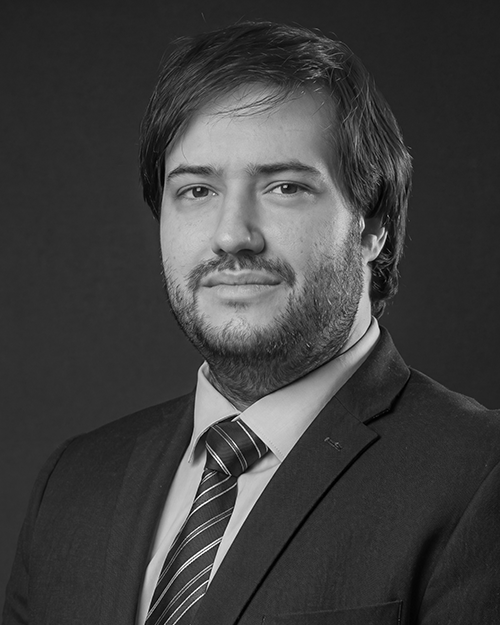
José Francisco Redondo
José Francisco Redondo Garrido is a lawyer specialised in sports law. He advises clubs, athletes, coaches and agents on contractual, regulatory and contentious matters, and has represented clients before the Basketball Arbitral Tribunal (BAT), the FIFA Football Tribunal and the Court of Arbitration for Sport (CAS), among other national and international bodies.
He chairs the Competition and Disciplinary Sub-Committee and sits on the Jurisdictional Committee of the Royal Madrid Football Federation.
He combines legal practice with postgraduate teaching in sports law, with a particular focus on basketball law. He is a PhD candidate in Legal Sciences and the author of several publications on sports law.
In 2019 he received the Madrid Bar Association Sections Award in the Sports Law section.
Target audience
– In-house lawyers at basketball federations and leagues.
– Legal advisers to clubs and sports organisations.
– Lawyers for event and competition organisers.
– Law firms and advisers representing players, coaches and agents.
– Sporting directors and managers with contractual responsibilities.
Key takeaways
What will you learn?
- Draft or review a BAT arbitration clause and the financial clauses most prone to disputes.
- Document a breach and handle formal notices.
- Assess when to negotiate and when to go to arbitration.
- Prepare a solid claim: evidence, amount and costs.
- Understand how a BAT award is enforced.
Certification
Participants receive a Sports Law Hub digital badge certifying attendance, which can be added to their LinkedIn profile.
The season is under way. The contract disputes are not far behind. Get ahead of them before they reach the BAT.
FAQ. Basketball arbitration masterclass
What is basketball arbitration?
Basketball arbitration is the private resolution of contractual disputes between clubs, players, coaches and agents, outside national courts. In international basketball, most of these disputes are decided by the Basketball Arbitral Tribunal (BAT), the arbitral body established by FIBA.
What is the Basketball Arbitral Tribunal (BAT)?
The BAT is FIBA’s arbitral tribunal for contractual disputes in basketball. It is seated in Geneva, proceedings are governed by Chapter 12 of the Swiss Private International Law Act, they are conducted in English before a sole arbitrator, and disputes are decided ex aequo et bono. The BAT only has jurisdiction where the parties have agreed to it in writing.
Which rules govern BAT proceedings?
The BAT Arbitration Rules. The current version entered into force on 1 January 2025 and applies to Requests for Arbitration received by the BAT Secretariat from that date. It updated, among other things, notification procedures, deadlines and payment arrangements.
What does ex aequo et bono mean at the BAT?
It means the arbitrator decides the dispute according to general considerations of justice and fairness, without applying a particular national law. In practice, the wording of the contract and the consistency of previous BAT awards carry significant weight.
What should be prepared before filing a claim with the BAT?
Under the 2025 BAT Rules, the Request for Arbitration must include the parties’ details, a concise statement of facts and legal arguments, the relief sought, any interest or penalties claimed, a copy of the contract containing the BAT arbitration clause and all written evidence relied on. A non-reimbursable handling fee, set according to the amount in dispute, must be paid with the Request; the arbitration does not proceed until it is received.
What does the masterclass cover?
The pre-arbitration stage: drafting the BAT arbitration clause and the contract clauses most likely to lead to disputes, handling breaches and formal notices, negotiating settlements, preparing evidence, and assessing costs and enforcement before filing a Request for Arbitration.
In which language is the session delivered?
The masterclass is delivered in Spanish.
When is it and how long does it last?
Thursday 5 November 2026, from 17:30 to 19:00 CET (Madrid time). It lasts 90 minutes and takes place online.
Can I watch it if I cannot attend live?
Yes. Registration includes access to the recording for one month after the session, until 5 December 2026.
How much does it cost?
€35 (early bird) until 28 October 2026 and €55 from 29 October until registration closes on 31 October. Sports Law Hub alumni receive a 20% discount: €28 early bird and €44 general admission. Taxes included.
When does registration close?
Registration closes on 31 October 2026, five days before the session.
Why study at
Sports Law Hub?
Academic excellence of
international standing
Sports Law Hub is educational quality and international recognition. We establish collaboration agreements with foreign universities, firms and sport entities for teaching and research trips.
Top lecturers
and experts
Renowned professionals currently providing services at top sport entities including FIFA, UEFA…
Course
offering
We provide a broad, comprehensive, and varied range of courses of interest within the field of sports law. We offer personalized attention and teaching quality focused not only on technical knowledge but also on the development of the necessary skills for your future endeavors.
For more information and/or registration, click here.
Doubts or questions? Feel free to reach out at education@sportslawhub.com