
Olympic Neutrality vs. Freedom of Expression: The Legal Analysis.
This MatchPoint Talk addresses the complex regulatory conflict triggered by the recent events at the Milano-Cortina 2026 Games. We move beyond the headlines to examine the case from a strictly technical perspective, analyzing the grounds for the CAS decision and the tension between the IOC’s neutrality regulations and international human rights standards.
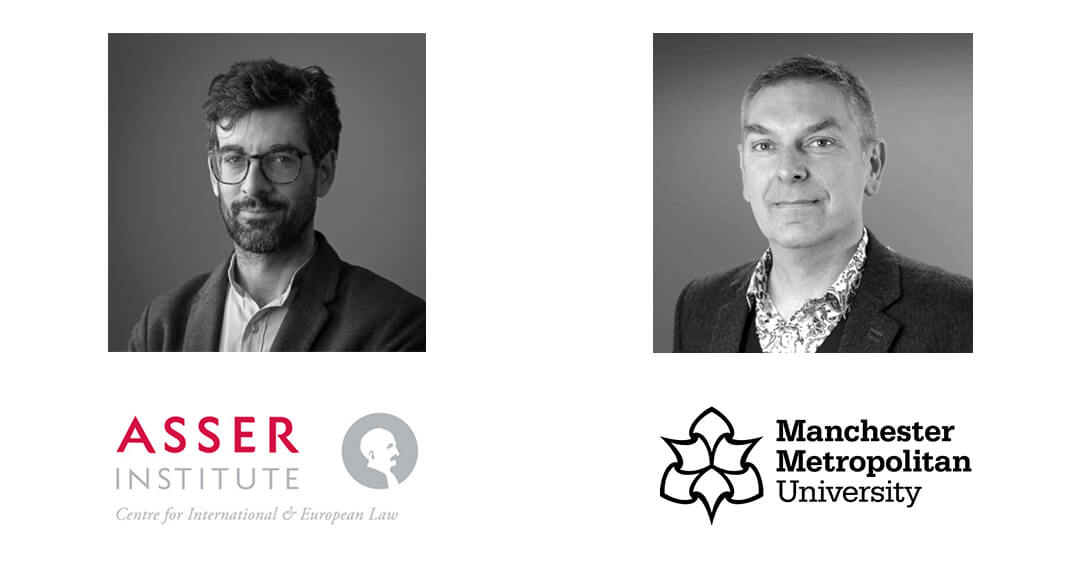
The case of Ukrainian skeleton athlete Vladyslav Heraskevych has swiftly become one of the most significant legal controversies of the Olympic Games in recent years. At first glance, it appeared to be a straightforward dispute regarding freedom of expression on the field of play. However, as analysed during a recent SLH MatchPoint Talk webinar with Antoine Duval and Mark James, this Heraskevych CAS award analysis warrants deeper scrutiny. As the speakers highlighted, it exposes structural tensions in Olympic governance, raises fundamental questions regarding proportionality and legality, and challenges the balance of power between athletes and sporting authorities.
Vladyslav Heraskevych, a leading Ukrainian skeleton racer and potential medal contender, intended to compete wearing a helmet decorated with images of Ukrainian athletes and coaches who had lost their lives during the invasion of Ukraine. The helmet was intended as a tribute and an act of remembrance.
The International Olympic Committee (IOC) and the International Bobsleigh & Skeleton Federation (IBSF) determined that the helmet violated the Guidelines on Athletes’ Expression – Olympic Winter Games Milano-Cortina 2026. These guidelines restrict certain forms of expression during competition, specifically on the field of play, with the aim of maintaining political neutrality. Despite being offered alternatives, such as wearing a black armband or displaying the helmet outside of competition, Heraskevych refused to modify his equipment.
He appealed to the Court of Arbitration for Sport (CAS), seeking either reinstatement or the opportunity to compete under supervision. On 13 February 2026, the CAS Ad Hoc Division dismissed his appeal, upholding the decision to prevent him from competing with the helmet.
One of the most striking aspects of the Heraskevych CAS award analysis discussed in the webinar is the shift in legal basis. Many observers initially assumed the issue would be addressed under Rule 50.2 of the Olympic Charter, which prohibits political propaganda at the Olympic Games. However, the CAS Award clarified that the case was not primarily adjudicated under Rule 50.2. Instead, it was grounded in Rule 40.2.
The speakers noted that this distinction is significant. Rule 50.2 has historically been associated with political propaganda. By contrast, the guidelines applied in Heraskevych’s case appear to have a broader scope.
During the session, it was argued that this could represent a significant expansion of the IOC’s discretion to restrict speech. Participants emphasised that the guidelines do not clearly define what constitutes “expression”. This lack of clarity creates potential legal concerns regarding the principle of legality: athletes must be able to foresee which conduct will lead to sanctions.
The case also revealed complex procedural features. The decision to exclude Heraskevych was reportedly taken shortly before the competition began. The IOC Disciplinary Commission appears to have been involved, although the decision was framed as non-disciplinary. This raised a key question during the debate: if the exclusion was not a formal sanction, what was the precise legal basis for appeal?
Heraskevych’s first meaningful opportunity to be heard arose at the CAS stage. By then, key decisions had already been taken. Critics point out that the lack of transparency regarding the legal reasoning and the procedural pathway raises questions regarding due process and institutional accountability.
Another central theme of the discussion was the perception of inconsistency. Numerous examples were cited in which athletes engaged in expressive acts without sanction. From a legal standpoint, consistency is fundamental to proportionality analysis. If athletes cannot ascertain which conduct is regulated, they cannot adapt their behaviour to comply. The discussion suggested that, without clear definitions and consistent application, the regulatory system risks creating perceptions of double standards.
The IOC justifies its Guidelines on the grounds of protecting the focus of the Games on sporting performance. However, the webinar explored whether the exclusion was suitable or necessary to achieve that objective. It was noted that excluding the athlete attracted significantly more media coverage than the helmet would likely have received on its own.
Ultimately, this Heraskevych CAS award analysis acts as a lens through which to examine how global sport is governed, how power is exercised, and how rights are balanced against institutional interests.
Two questions emerged from the session. First, are the current athlete expression Guidelines legally coherent and proportionate? Second, is the existing oversight structure capable of holding the IOC accountable? As sport continues to intersect with politics, culture and identity, the Heraskevych case may mark a turning point, encouraging the Olympic movement to continue the dialogue on whether its regulatory approach to athlete expression serves its stated values.
Understanding these legal shifts is no longer optional for sports professionals. As the intersection between regulatory frameworks and fundamental rights becomes more complex, a deep grasp of international standards is essential. Our Course on Business and Human Rights in Sports provides the necessary tools to navigate these evolving mandates and lead the dialogue on social responsibility within the industry.