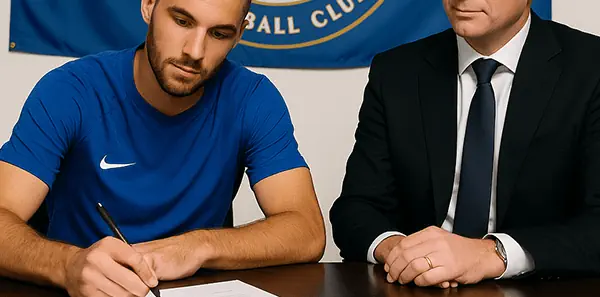
What can sports contracts demand? Conduct and social media clauses under legal scrutiny

Sports Contracts
Sports Contracts

Increasingly, the value of an athlete is not only measured by their performance on the field but also by their behavior off it. In this context, professional sports contracts have evolved to include conduct, morality, and social media control clauses. For sports lawyers, understanding and effectively negotiating these clauses is essential.

Morality clauses in Sports contracts: A protective tool or a double-edged sword?

The so-called morality clauses in sports contracts allow clubs or sponsors to terminate or renegotiate an agreement if the athlete’s behavior damages the entity’s image. They are common in elite sports, but they raise a compelling legal debate: Where is the line between protecting a brand’s reputation and infringing on the player’s rights?

A classic example is the case of Nike and Manny Pacquiao. In 2016, the sports brand terminated its sports contract with the Filipino boxer following his homophobic remarks. Nike argued that his statements were contrary to the company’s values. The case sparked debate: Was it legitimate to terminate the contract over an opinion, albeit a controversial one? The answer lies in how the contract was drafted.

Social media: The slipperiest slope in sports sontracts

Today, a single tweet can cost millions. Many sports contracts include restrictions on what an athlete can or cannot post. Contracts also incorporate clauses that establish “digital silence windows” before competitions or prohibit supporting certain causes. However, this is where fundamental rights, such as freedom of expression, come into play and must be handled with particular caution.

A striking case was that of footballer Sergi Guardiola, who was dismissed from FC Barcelona B in 2015, just hours after signing his sports contract, when old offensive tweets about the club and Catalonia resurfaced. Although he had not committed a current violation, the reputational damage was immediate, and the club acted accordingly. This underscores the importance of reviewing digital history — and carefully drafting contractual clauses in the sports arena.

Cases like this raise a key question for football lawyers: when does a player’s conduct amount to just cause for termination? We cover this, along with FIFA’s rules on contract stability, in our Football Law Course for lawyers and agents.

Practical example: conduct clause in a professional sports contract

To delve deeper into legal practice, here is a concrete example of a conduct clause. A realistic case that invites analysis and debate within the context of legal training:

Clause 12.2 – Conduct and Public Reputation

The Player agrees to maintain conduct consistent with the values and image of the Club, both in their sporting activities and public life. The Player shall avoid any behavior, statement, or publication (including social media) that could harm the reputation of the Club, its sponsors, or affiliates.

In the event of a breach of this clause, the Club may impose disciplinary sanctions, including early termination of the contract.

This clause raises many questions for lawyers: Is it legally valid? Could it be considered ambiguous? Does it conflict with fundamental rights such as freedom of expression? How would it be applied in sports arbitration? Questions like these are at the heart of our Course on Image Rights.

Conduct clauses in sports contracts are powerful tools for protecting the reputation of clubs and sponsors, but their enforcement is not without legal controversy.

Drafting sports contracts is no longer just about setting figures and dates. It involves in-depth legal analysis, media sensitivity, and strategic foresight. Clubs, agents, and athletes seek professionals who can anticipate issues and protect their interests effectively.

Ongoing education has become essential in a field as specialised as sports contracts. Our Commercial Contracts in Sports course covers sponsorship, image rights and morality clauses in depth, while the Football Law Course for lawyers and agents, starting 3 November, focuses on just cause, contract stability and FIFA dispute resolution.

Frequently Asked Questions

What is a morality clause in a sports contract?

A morality (or conduct) clause allows a club or sponsor to sanction, renegotiate or terminate an agreement if the athlete’s behaviour, on or off the field, damages the reputation of the club or brand. Today these clauses increasingly cover social media activity as well.

Generally yes, but their enforceability depends on how they are drafted and on the applicable law. Vague wording such as “any behaviour contrary to the club’s values” is easier to challenge. Courts and arbitral tribunals tend to interpret these clauses restrictively and require the sanction to be proportionate to the conduct.

Only in serious cases. In football, termination without consequences requires just cause under Article 14 of the FIFA Regulations on the Status and Transfer of Players (RSTP), assessed case by case. Minor breaches usually justify lesser sanctions, such as a fine or a warning, rather than dismissal.

Under Article 14 of the RSTP, either party may terminate a contract without paying compensation or facing sporting sanctions when there is just cause. In practice, this means a breach so serious that the other party cannot reasonably be expected to continue the employment relationship.


A clear definition of the prohibited conduct, including on social media; its scope in time and place; graduated sanctions proportionate to the breach; a procedure that gives the athlete the right to be heard; and the competent forum for resolving disputes.


Share the Post:

Related Posts

Slh Logo Black
Privacy Preference Overview

When you visit any website, the site may obtain or store information in your browser, usually through the use of cookies. This information may be about you, your preferences or your device, and is primarily used to make the site work as intended. Generally, the information does not directly identify you, but can provide you with a more personalised web experience. Because we respect your right to privacy, you may choose not to allow us to use certain cookies. Click on the individual category headings to learn more and change our default settings. However, blocking some types of cookies may affect your experience on the site and the services we can offer.