
Eligibility in Women’s Sport: Law, Science, and the Future of Fair Competition
On 26th March 2026 the International Olympic Committee announced a new Policy on the Protection of the Female (Women’s) Category in Olympic Sport. The policy explains that, for all disciplines on the sports programme of an IOC event, including the Olympic Games and for both individual and team sports, eligibility for any female category is limited to biological females.
Eligibility in Women’s Sport is to be determined in the first instance by SRY gene screening to detect the absence or presence of the SRY gene. At the same time, it has raised significant debate around athlete privacy, human rights, and the ethical limits of biological testing in sport.
We are bringing together leading voices for a live roundtable discussion on the new approach to genetic testing in sport and what eligibility in women’s sport means for athletes, federations, and the future of fair competition.
This is a free live webinar where we’ll explore:
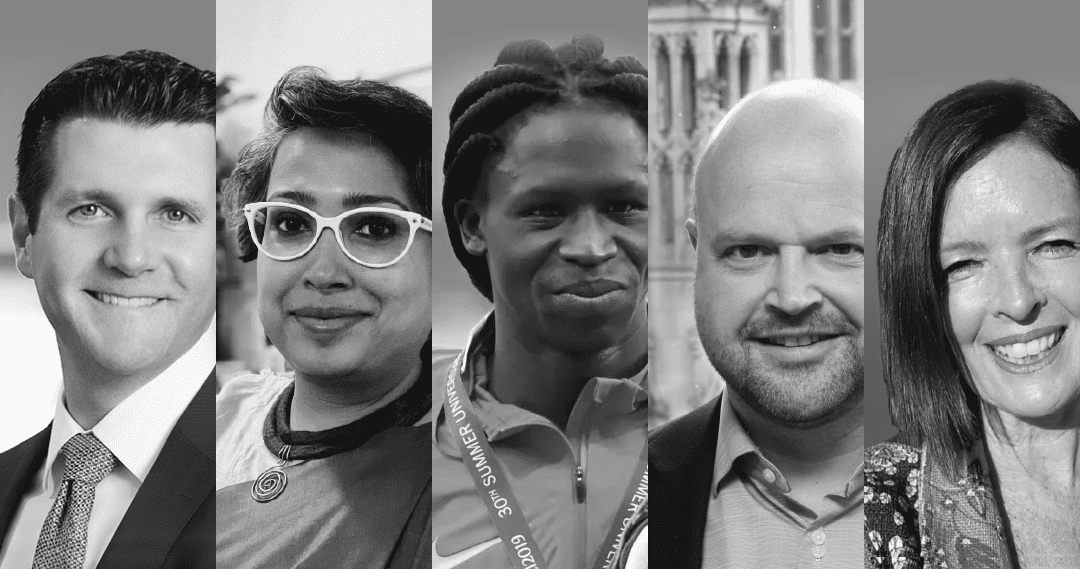
5 experts live:
– James Bunting – Founding Partner at Tyr LLP
– Jonathan Taylor KC – Partner at Bird & Bird
– Dr Payoshni Mitra – Executive Director at Humans of Sport
– Docus Ajok – Athlete Ambassador at Humans of Sport
Moderator: Tracey Holmes – The Sports Ambassador Podcast Host
The debate surrounding Eligibility in Women’s Sport represents one of the most complex and significant challenges at the intersection of sports law, biology, and human rights. In the recent MatchPoint Talks session, moderated by Tracey Holmes, leading experts analyzed the current regulations governing the participation of athletes with Differences of Sexual Development (DSD) and transgender athletes.
Jonathan Taylor KC opened the debate by emphasizing that the fundamental purpose of creating separate sporting categories is to ensure fair competition conditions for biological females. Taylor argued that physiological differences resulting from male puberty confer advantages that cannot be ignored in the athletic arena.
According to Taylor, current scientific evidence indicates that testosterone levels are the primary driver of differences in muscle mass, bone length, and hemoglobin levels. Under this premise, Taylor argued that in the sporting field, biology must prevail over gender identity to preserve equity, noting that testosterone suppression does not fully eliminate the physiological advantages previously acquired.
Taking an opposing view, James Bunting questioned the validity of exclusion criteria based on the SRY gene. Bunting highlighted that nature is “not neat” and that these rules exclude women who were born, raised, and identify legally and socially as female. He argued that in sport, we celebrate exceptional genetic variations such as height or lung capacity, yet specifically discriminate against DSD genetic variations.
Bunting emphasized the “profound and irreversible harm” these regulations cause athletes, including stigmatization, mental health impacts, and loss of livelihood. Furthermore, he questioned the reversal of the International Olympic Committee (IOC) policies, pointing to a lack of transparency in the scientific records supporting the 2026 regulations.
One of the most impactful moments of the session was the testimony of Docus Ajok. The Olympic athlete shared the hardships experienced due to constant changes in eligibility rules and the lack of clear information from federations. Ajok described sex verification processes that she characterized as “dehumanizing” and lacking informed consent, recounting instances of forced surgeries and medical abandonment.
“We are not problems to be managed, nor bodies to be controlled. We are women and we deserve to run,” Ajok stated, denouncing that the current system prioritizes politics over human dignity and real equity.
Dr. Payoshni Mitra reinforced ethical concerns, labeling the new eligibility policies a “safeguarding disaster,” particularly for minors. Mitra noted that renowned scientists, including Andrew Sinclair (who discovered the SRY gene), have described the reintroduction of these screening tests as “ill-advised,” as the presence of the gene does not, by itself, determine a sports performance advantage.
On the other hand, Nancy Hogshead defended the need to protect the female category as an inclusive measure for biological females. She compared sex segregation to other sporting categories (weight, age, or disability), arguing that all categories exclude certain competitors to ensure the fairness of others. Hogshead highlighted that the performance gap between men and women is approximately 11%, demanding strict regulations to ensure female sport remains exclusive to biological females.
The session made it clear that Eligibility in Women’s Sport remains a contested terrain where no absolute consensus exists. While some sectors advocate for the rigorous protection of the female category based on biology, others demand a review of regulations based on scientific integrity and unconditional respect for the human rights of the affected minorities.
For sports organizations, the challenge remains: How to balance competitive fairness with inclusion and the protection of the dignity of all athletes?
Access the Full Session
The complete video of this MatchPoint Talk is available for those interested in a deeper dive into the legal and scientific arguments presented. You may request access by writing to: education@sportslawhub.com
The landscape of international sports regulations is evolving rapidly. We invite you to explore our upcoming courses and certifications to stay up-to-date on Eligibility in Women’s Sport and other critical regulatory frameworks within the sports industry.